Geometrical Vintage Patterns: A Design Staple
In the world of digital design, few elements bridge the gap between nostalgia and modern aesthetics as effectively as Geometrical Vintage Patterns. These intricate, repeating motifs draw inspiration from mid-century modernism, Art Deco, and traditional textile arts, offering a visual language that feels both timeless and fresh. When you encounter a high-quality asset like an EPS or JPG file at 4000 x 4000 pixels and 300 dpi, you are not just looking at a picture; you are accessing a versatile tool that can elevate everything from a personal scrapbook to a global brand identity.
For creators, entrepreneurs, and hobbyists alike, understanding the value of these patterns is key to unlocking their full potential. Whether you are designing a logo, preparing print materials for a small business, or simply adding a touch of elegance to a blog post, geometric vintage patterns provide structure, rhythm, and a sense of curated history. This guide explores what makes these designs so compelling, how they fit into various creative workflows, and why technical specifications like resolution and file format matter more than you might think.
What Are Geometrical Vintage Patterns?
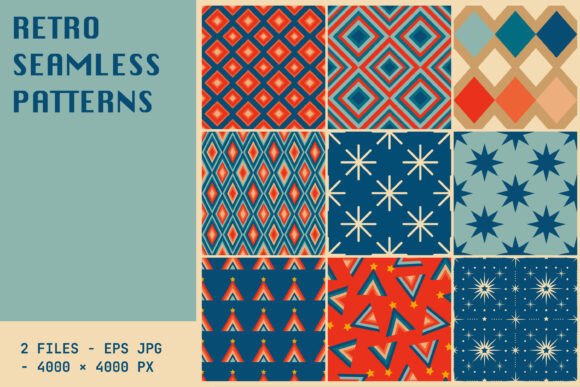
At their core, Geometrical Vintage Patterns are decorative designs composed of shapes such as circles, triangles, hexagons, diamonds, and lines arranged in symmetrical or tessellated layouts. The "vintage" aspect refers to the stylistic era these designs emulate, often recalling the clean lines of the 1920s through the 1970s. Unlike organic floral patterns, which rely on natural curves and irregularities, geometric patterns offer precision and balance. This structural clarity makes them highly adaptable across different mediums and industries.
The appeal lies in their versatility. A single geometric motif can feel sophisticated when used in black and white, playful when rendered in pastel colors, or bold when applied with high-contrast hues. Because the human brain is wired to recognize symmetry and repetition, these patterns are inherently pleasing to look at. They create a background texture that adds depth without overwhelming the primary content, making them ideal for framing text, highlighting product features, or providing visual interest in minimalist designs.
Why File Format and Resolution Matter
When sourcing or creating these designs, the technical details are just as important as the artistic vision. You will often see assets described as EPS JPG – 4000 x 4000 px 300 dpi. While this string of numbers and letters may seem intimidating, each component plays a crucial role in ensuring your final project looks professional.
- EPS (Encapsulated PostScript): This is a vector-based format. Vector graphics are defined by mathematical equations rather than pixels, meaning they can be scaled to any size—whether it fits on a business card or covers a billboard—without losing quality. If you plan to use Geometrical Vintage Patterns for large-scale printing or need to edit individual shapes, an EPS file is essential.
- JPG (JPEG): This is a raster image format. It is widely compatible and easy to use in most software, but it is pixel-based. Scaling a JPG up significantly will result in a blurry or pixelated image. However, for web use, social media graphics, or standard-sized prints, a JPG is perfectly adequate.
- 4000 x 4000 px: This dimension provides a substantial canvas. It ensures that the pattern has enough detail to be visible even when zoomed in, yet remains manageable in file size for most computers.
- 300 dpi (Dots Per Inch): This is the industry standard for high-quality printing. At 300 dpi, the printer has enough data points to render sharp lines and smooth gradients. If you are sending your design to a professional printer, always ensure your files meet this threshold to avoid fuzzy edges or muddy colors.
Understanding these specs helps you choose the right asset for the job. A beginner might prefer starting with a JPG for quick mockups, while a professional graphic designer will likely prioritize the EPS version for maximum flexibility.
Practical Applications Across Industries
The utility of Geometrical Vintage Patterns extends far beyond simple decoration. Here are several realistic ways these assets can support your goals, regardless of your skill level.
Small Business and Branding
Entrepreneurs and small business owners often struggle to differentiate their brands in a crowded market. Using a unique geometric vintage pattern on packaging, labels, or business cards can instantly communicate quality and attention to detail. For example, a coffee shop might use a subtle hexagonal pattern on its cup sleeves to evoke a sense of craftsmanship and heritage. Similarly, a boutique clothing store could use these patterns on shopping bags to create a memorable unboxing experience that customers want to share on social media.
Digital Marketing and Blogging
Bloggers and marketers know that visual breaks are essential for keeping readers engaged. Instead of using plain white backgrounds, incorporating a light, low-opacity geometric pattern can add texture to headers, sidebars, or call-to-action buttons. This technique guides the eye and makes the content feel more polished. Furthermore, these patterns work beautifully as backgrounds for email newsletters, helping to establish a consistent visual identity across all communication channels.
Education and Presentations
Educators and presenters can use these patterns to make slideshows and handouts more visually appealing without distracting from the information. A well-chosen geometric border or header pattern can frame educational content, making it easier for students to focus. In workshop materials, these patterns can be used to create worksheets, certificates, or promotional flyers that look professionally designed, even if created by someone with basic design skills.
Home Decor and Lifestyle
For hobbyists and DIY enthusiasts, Geometrical Vintage Patterns open up endless possibilities for home improvement. With a 4000 x 4000 px high-resolution file, you can print custom wallpaper, fabric for curtains, or decorative pillows. The scalability of vector formats means you can adjust the pattern density to suit different rooms—a tighter pattern for a cozy bedroom accent wall, or a looser arrangement for a bright living room. This accessibility allows anyone to personalize their space with a style that reflects their taste.
Considerations Before You Start
While the benefits are clear, there are a few practical considerations to keep in mind when working with these assets. First, always check the licensing terms. If you are using the patterns for commercial purposes, such as selling products or advertising a service, ensure you have the appropriate rights to do so. Some free resources may require attribution, while premium assets often come with broader usage rights.
Second, consider color harmony. Geometric patterns can become chaotic if too many contrasting colors are used. Stick to a cohesive palette that complements your main message. Monochromatic schemes or complementary color pairs tend to work best, allowing the geometry to shine without clashing with other design elements.
Finally, test your designs in different contexts. A pattern that looks stunning on a screen might behave differently when printed. Always proofread your work and, if possible, print a small sample to check for color accuracy and line sharpness. This step saves time and money in the long run, ensuring that your final product meets your expectations.
Embracing Timeless Design
Incorporating Geometrical Vintage Patterns into your projects is about more than just following a trend; it is about connecting with a rich tradition of design excellence. By leveraging high-quality files like those at 4000 x 4000 px and 300 dpi, you ensure that your work stands out for its clarity and professionalism. Whether you are a seasoned pro or just starting your creative journey, these patterns offer a reliable foundation for building beautiful, functional, and engaging designs.